

Join our newsletter for fresh stories, exclusive perks, and behind-the-beans updates.
Sign up now and get 10% off your first order.
Because great coffee starts with a great connection.
Back to blog
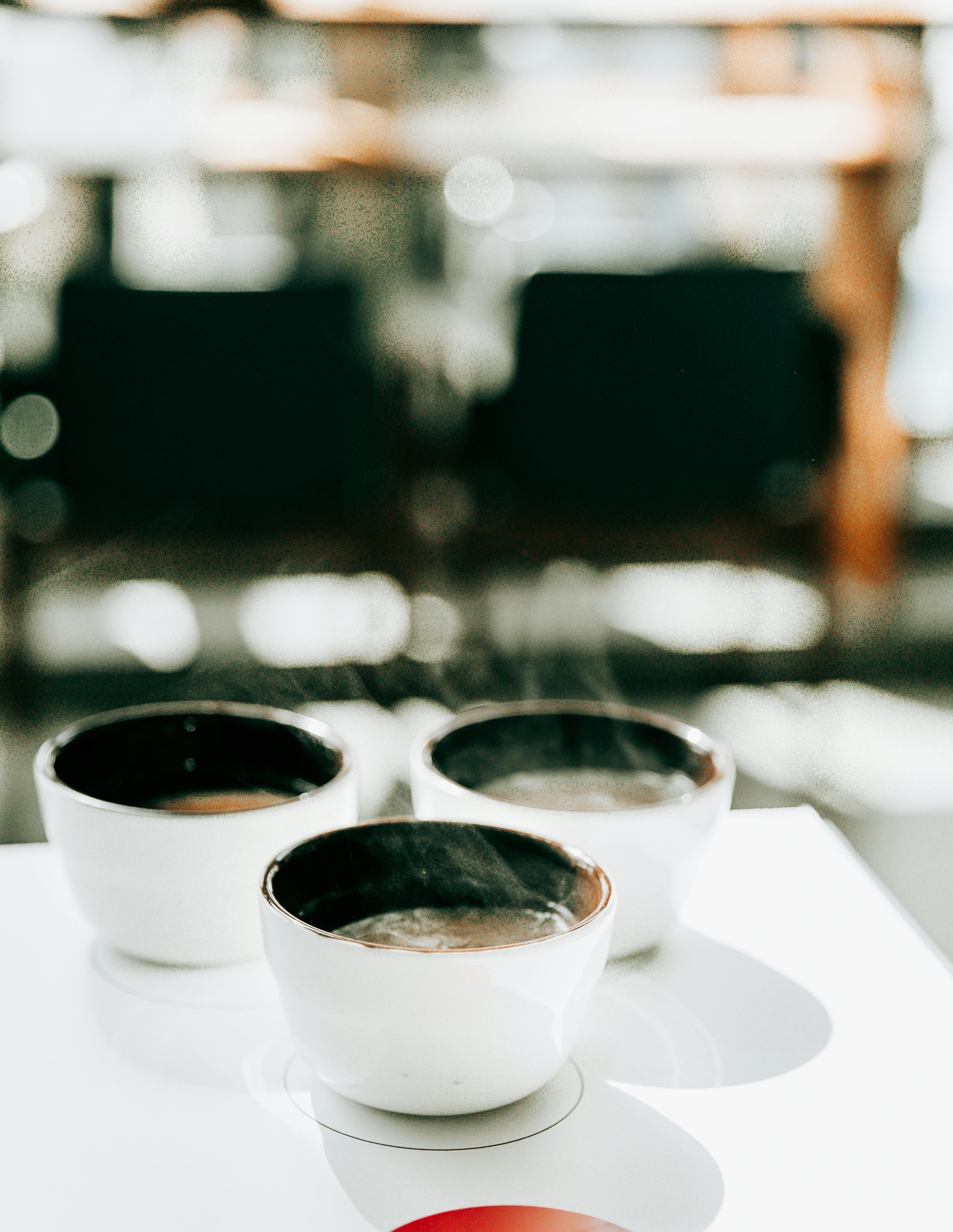
Coffee Tasting 101
Posted by Evoke Alchemists On 2025-07-17T16:30:43Z
Tasting coffee is much more than taking a sip—it’s about experiencing the flavors, aromas, and textures that make each coffee unique. Professional tasters use a method called cupping, but you don’t need to be an expert to start identifying different notes in your coffee.
Whether you want to deepen your appreciation for specialty coffee or just make better brew choices, this guide will walk you through how to taste coffee properly and recognize different flavor notes.
Step 1: Set the Scene for Tasting
To fully experience coffee’s complexity, it’s important to remove distractions and create an ideal environment for tasting.
✅ Use a clean cup – Any residue from previous brews can interfere with flavors.
✅ Avoid strong smells – Perfume, food, or other strong scents can overpower coffee aromas.
✅ Taste it black first – Before adding milk or sugar, evaluate the coffee in its purest form.
✅ Use warm, filtered water – Water quality plays a major role in taste perception.
Step 2: The Four Elements of Coffee Tasting
When tasting coffee, focus on four key elements:
1. Aroma (The First Impression)
Before taking a sip, inhale deeply. Coffee’s aroma sets the stage for its flavors. Some common coffee aromas include:
🔹 Fruity (citrus, berry)
🔹 Floral (jasmine, rose)
🔹 Nutty & Cocoa (almond, hazelnut, chocolate)
🔹 Spicy (cinnamon, clove, pepper)
🔹 Earthy & Smoky (wood, tobacco, leather)
💡 Tip: Compare the aroma before and after brewing—it changes as the coffee releases volatile compounds.
2. Flavor (What You Actually Taste)
Take a sip and let the coffee coat your tongue. What do you taste?
- Bright and tangy? → Likely high acidity (citrus, green apple)
- Rich and sweet? → Notes of caramel, honey, or nuts
- Dark and bold? → Chocolate, molasses, or smoky flavors
🛠 Use the Coffee Flavor Wheel (see above) to help pinpoint specific notes.
3. Body (How It Feels in Your Mouth)
Body describes the weight and texture of coffee on your tongue. Think of it like comparing skim milk vs. whole milk.
☁️ Light Body: Feels clean, almost tea-like (common in pour-over coffee).
🛢 Full Body: Feels rich and heavy, coating your mouth (common in French press or espresso).
4. Acidity, Sweetness & Aftertaste
- Acidity: Brightness in coffee, like biting into an orange or green apple.
- Sweetness: Some coffees naturally have a honey-like or caramel sweetness.
- Aftertaste: What lingers after swallowing—smooth? Bitter? Nutty?
Pro Tip: Specialty coffee should have a balanced acidity and sweetness—not just bitterness!
Step 3: Compare Different Coffees
The best way to develop your tasting skills is through comparison. Try different origins side by side:
🌍 Ethiopia – Bright, floral, tea-like
🌍 Colombia – Balanced, caramel, red fruit
🌍 Guatemala – Chocolatey, nutty, warm spice
Final Thoughts: Practice Makes Perfect
Tasting coffee is a skill that improves over time. Keep experimenting, try new origins, and most importantly—have fun discovering flavors in every cup!